
Istanbul’s Most Beautiful Landmarks: How to Experience Them Without Breaking the Bank
Istanbul’s Most Beautiful Landmarks: How to Experience Them Without Breaking the Bank
Istanbul is a city where empires collide, creating a tapestry of history, culture, and architecture that is truly unparalleled. From the sun-drenched domes of the Historical Peninsula to the shimmering waters of the Bosphorus, the city’s landmarks are bucket-list material for travelers worldwide.
However, as we move through 2026, the reality of travel in Istanbul has shifted. With the Turkish Ministry of Culture moving to Euro-denominated pricing to stabilize against currency fluctuations, visitors are finding that a “classic” tour of the city’s most famous sites comes with a significantly higher price tag than in years past.
In this guide, we will explore Istanbul’s most iconic landmarks, break down the 2026 pricing landscape, and—most importantly—provide you with a strategic blueprint to experience these wonders without exhausting your budget.
The New Reality: Why Istanbul Landmarks Are More Expensive in 2026
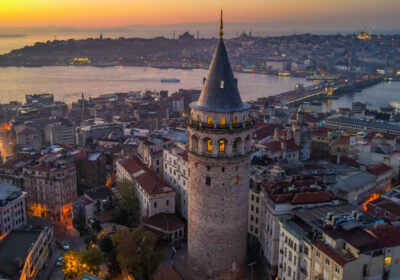
If you have been reading old travel forums, you might be surprised by the current cost of entry for sites like Topkapi Palace or the Galata Tower. The shift to Euro-based pricing for international visitors is the primary driver. While this change is intended to maintain and preserve these historic treasures, it requires a new approach to travel planning.
Understanding the 2026 Pricing Structure
Most major landmarks now operate under a “dual-pricing” model. For international visitors, official ticket prices are set in Euros, though they are payable in Turkish Lira at the daily exchange rate. This means that while the “Euro price” remains fixed, the amount you pay in Lira can fluctuate daily.
Is the “Tourist Tax” Reality or Myth?
There is no “tourist tax” in the legal sense, but the tiered pricing structure effectively creates a distinction between resident and international tickets. To navigate this, the most effective tool at your disposal is the Istanbul Museum Pass.
Navigating the Giants: Topkapi, Hagia Sophia, and Beyond
When visiting the “Big Three” of the Historical Peninsula, costs can stack up quickly. Here is how to approach them intelligently.
1. Hagia Sophia Grand Mosque
The Hagia Sophia remains the crown jewel of Istanbul. As of 2026, the ground floor serves as a place of worship and is free for all visitors. However, the upper gallery—which houses the stunning Byzantine mosaics and provides the most dramatic views of the interior—is designated as a museum section with a separate entry fee of approximately €30.
-
Editor’s Tip: If you are on a strict budget, the ground floor is architecturally stunning and provides the full atmosphere of the building. If you are a history buff, the upper gallery is worth the investment for the context it provides.
2. Topkapi Palace and the Harem
The seat of Ottoman power is vast, and with a ticket price now reaching €55 (including the Harem), it is one of the most expensive sites in the city.
-
Strategic Planning: Do not attempt to rush Topkapi. Allocate at least 3–4 hours. By dedicating a full morning here, you extract maximum value from the entry fee.
3. The Basilica Cistern
Managed by the Istanbul Metropolitan Municipality, the Basilica Cistern (entry around €30) offers a multimedia-enhanced experience. Because this is managed differently than the National Palaces, it is rarely included in the standard Museum Pass. Budget for this separately.
Pro-Strategies: How to See Istanbul Like a Local
If you want to experience the beauty of Istanbul without the heavy price tag, you need to shift your strategy from “tourist” to “explorer.”
Use the Istanbul Museum Pass Effectively
The 2026 Museum Pass costs €105. For this price, you get entry to the major palaces and museums, plus the ability to skip the ticket lines.
-
The Math: If you visit Topkapi (€55), Galata Tower (€30), and the Archaeological Museums (€15), you have already recouped €100. Adding a fourth or fifth site makes the pass an undeniable money-saver.
Prioritize “Free” Architecture
Some of the most beautiful interiors in Istanbul don’t cost a cent.
-
The Blue Mosque: Stunning tile work, entirely free.
-
Süleymaniye Mosque: Designed by the legendary Mimar Sinan, this mosque offers a more peaceful, authentic experience than the central tourist hubs and remains free.
Master the “Istanbulkart”
Transportation costs can drain your budget if you rely on taxis. The Istanbulkart is your golden ticket. It works on ferries, metros, trams, and buses. Using the public ferry to cross the Bosphorus is perhaps the cheapest “sightseeing cruise” in the world—costing pennies compared to private yacht tours.
The Hidden Gems: Beauty Beyond the Tourist Trail
Some of the most beautiful parts of Istanbul are found in its neighborhoods, not its ticketed museums.
The Charm of Kadıköy and the Asian Side
Spend a day wandering the streets of Kadıköy. The architecture here is residential and colorful, the food is authentic, and the entrance fee is zero. Visit the Kadıköy Fish Market for a sensory feast.
The Bosphorus Promenade
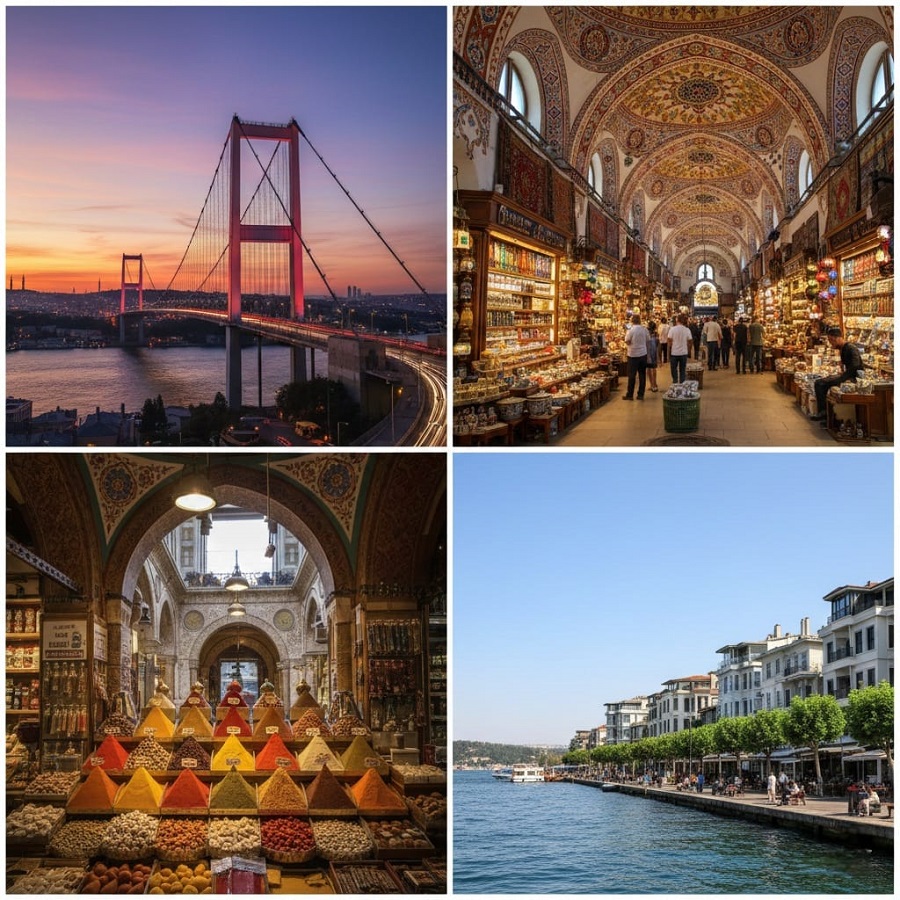
Instead of a €50 cruise, walk the shoreline from Bebek to Rumeli Hisarı. You will pass ornate mansions (yalı), local fishermen, and seaside cafes with the exact same view as the expensive cruise boats.
Essential Budgeting Tips for 2026
To keep your finances in check, follow these three rules:
-
Eat in “Esnaf Lokantası”: These are traditional tradesmen restaurants. They offer high-quality, home-style Turkish food for a fraction of the price of restaurants in Sultanahmet.
-
Avoid “Tourist Traps” for Currency: Exchange your money at official banks or reputable bureaus, not at airport kiosks or within the Grand Bazaar, where rates are often unfavorable.
-
Timing is Everything: Visiting in the shoulder seasons (April-May or September-October) allows you to enjoy the city when hotel rates are more competitive than in the peak of summer.
Conclusion: Value Over Price
Istanbul is expensive only if you let it be. By strategically choosing which sites to pay for, utilizing the Istanbul Museum Pass, and embracing the “free” beauty of the city’s mosques, parks, and neighborhoods, you can experience everything this magnificent city has to offer without compromising your budget.
Remember: The true beauty of Istanbul is not just behind a paywall; it is in the call to prayer echoing over the Bosphorus, the smell of fresh simit on a street corner, and the layers of history visible in the very stones of the city streets.
(Note: Prices mentioned are based on 2026 data. Always check the official museum websites or the Istanbul Museum Pass site 24 hours before your visit for any last-minute adjustments to fees or opening hours.)
Frequently Asked Questions: Exploring Istanbul’s Iconic Landmarks on a Budget
Why are entrance fees for Istanbul landmarks so high in 2026?
The Turkish Ministry of Culture now sets official prices for many major sites in Euros to account for currency fluctuations. While this ensures maintenance and preservation of these historical gems, it does make them more expensive for international tourists.
Is the Istanbul Museum Pass worth the cost?
If you plan to visit multiple major sites like Topkapi Palace, Galata Tower, and the Archaeological Museums within 5 days, the pass is often worth it. It not only saves money compared to individual tickets but also helps you skip the notoriously long ticket queues.
Are there any “must-see” landmarks that are free to enter?
Yes! The Blue Mosque, Süleymaniye Mosque, Grand Bazaar, and Spice Bazaar are iconic landmarks that remain free to enter. You can experience the heart of Istanbul’s culture without spending a penny on tickets.
How can I save money while sightseeing in Istanbul?
Use the ‘Istanbulkart’ for public transport, walk between closely located sites in Sultanahmet, and explore local neighborhoods like Kadıköy or Karaköy for affordable, authentic meals instead of eating near tourist traps.
Do children get discounts or free entry to Istanbul landmarks?
Yes, many state-run museums offer free entry for children under 12. Always carry a digital or physical copy of your child’s passport to prove their age at the entrance.