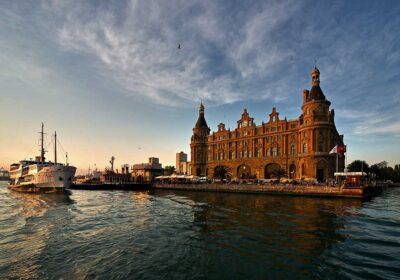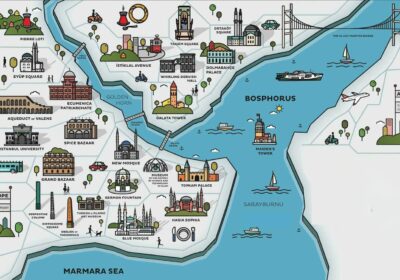

General Information About Istanbul: The Timeless Crossroads of the World
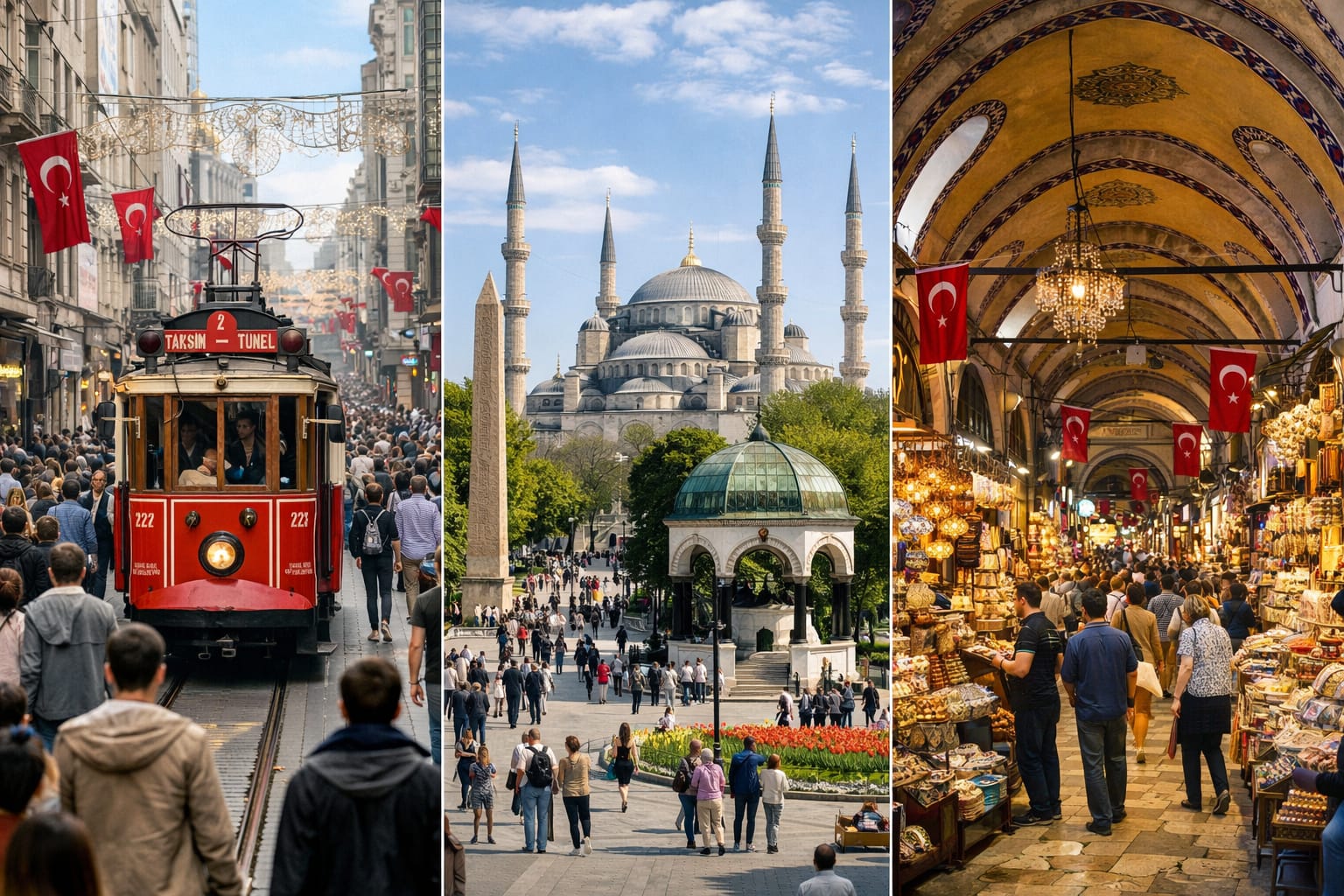
General Information About Istanbul: The Timeless Crossroads of the World
Istanbul is not just a city; it is a living, breathing testament to thousands of years of human civilization. Spanning two continents, Europe and Asia, and divided by the shimmering Bosphorus Strait, Istanbul serves as the cultural, economic, and historical heart of Turkey. For the traveler in 2026, the city offers a unique blend of Byzantine mystery, Ottoman grandeur, and a hyper-modern urban energy that is constantly reinventing itself.
As a travel editor with a decade of experience in the Turkish tourism sector, I have watched this city transform. Whether you are coming for the historic minarets of the Sultanahmet district or the avant-garde art galleries of Karaköy, understanding the rhythm of Istanbul is the key to a successful city break.
The Geography of a Divided City
Istanbul’s geography is its most defining feature. It is the only city in the world that sits on two continents, and navigating this divide is part of the daily rhythm of its 16 million residents.
The European Side: The Historic and Modern Pulse
The European side is further divided by the Golden Horn.
-
Sultanahmet (The Old City): This is the heart of the Byzantine and Ottoman empires. It is where you find the Hagia Sophia, the Blue Mosque, and Topkapi Palace.
-
Beyoğlu and Taksim: Known as the “modern” city, this area is home to the famous İstiklal Avenue, high-end shopping, embassies, and the city’s most vibrant nightlife.
The Asian Side: The Authentic Soul
Crossing over to the Asian side (Anatolian side) via ferry offers a glimpse into how locals live. Districts like Kadıköy and Üsküdar are less tourist-heavy and offer a more relaxed atmosphere, filled with boutique coffee shops, fresh produce markets, and spectacular sunset views looking back toward the European skyline.
A Timeline of History: From Byzantium to 2026
To appreciate Istanbul, you must understand the layers of history beneath your feet.
The Byzantine Era (Constantinople)
For over a thousand years, Constantinople was the capital of the Byzantine Empire. The Hagia Sophia, built in the 6th century, remains the most iconic relic of this era, showcasing the architectural brilliance of the Christian world before the Ottoman conquest in 1453.
The Ottoman Empire
Under the Ottomans, Istanbul became the seat of the Caliphate. The sultans transformed the city into a center of Islamic art, science, and governance. The construction of grand imperial mosques—like the Süleymaniye and the Blue Mosque—defined the city’s legendary skyline.
Practical Logistics: Navigating the Urban Maze
Istanbul’s size can be intimidating for a first-time visitor. Here is how to master the city’s logistics like a seasoned professional.
Public Transportation: The Istanbulkart
Do not rely on taxis for long distances; the traffic in Istanbul is legendary for its density. Instead, embrace the Istanbulkart. It is a single, rechargeable smart card that gives you access to the entire network:
-
The Metro & Tram: Best for moving between Sultanahmet and Beyoğlu.
-
The Ferries: The most beautiful way to travel. Never miss an opportunity to take a public ferry to cross the Bosphorus.
The 2026 Connectivity Landscape
In 2026, Istanbul is fully digitized. Almost every cafe offers high-speed Wi-Fi, and ride-hailing apps like BiTaksi are standard. If you are a traveler from abroad, an e-SIM is the most convenient way to stay connected without changing your physical SIM card.
Culinary Experiences: More Than Just Kebab
Istanbul is a gastronomic playground. In the last ten years, the city has evolved from traditional street food to world-class fine dining, yet the soul of the city remains in its simple, honest ingredients.
Traditional Street Food
-
Simit: The circular, sesame-crusted bread you will see at every corner.
-
Balık Ekmek: Grilled fish sandwiches served on the docks of Eminönü—a must-try experience.
-
Midye Dolma: Stuffed mussels sold by street vendors, usually with a squeeze of lemon.
The “Esnaf Lokantası” Culture
If you want to eat like a local, avoid the tourist-trap restaurants with barkers outside. Look for an Esnaf Lokantası—a tradesman restaurant. These establishments serve pre-prepared, home-style Turkish dishes that are fresh, healthy, and incredibly affordable.
Cultural Etiquette and Social Norms
While Istanbul is a cosmopolis, it is still a place where local customs matter.
Modesty and Sacred Spaces
When entering a mosque, remember that this is a place of worship.
-
For Women: Cover your head, shoulders, and knees.
-
For Men: Avoid sleeveless shirts or shorts that are too short.
-
General Tip: Always carry a light scarf in your bag; it is useful for impromptu mosque visits or protecting yourself from the sun.
The Art of Conversation
Turks are social people. If you find yourself in a tea house (çay bahçesi), be prepared for someone to strike up a conversation. It is a sign of hospitality, not a sales pitch.
Essential Travel Tips for 2026
-
Visit Early: The major landmarks in Sultanahmet open early. Arriving at 8:30 AM can save you hours of waiting in line.
-
Watch the Weather: Istanbul’s weather can change within an hour. Always carry a light, waterproof layer if you are traveling in the spring or autumn.
-
Safety: Istanbul is remarkably safe for a city of its size. Standard urban precautions apply: watch your bag in crowded areas like the Grand Bazaar, and be wary of overly persistent “helpful” strangers.
Conclusion: Istanbul’s Enduring Magic
Istanbul is not a city you visit once and check off a list. It is a city that requires time to peel back its layers. Whether it is the smell of roasted chestnuts in the air, the sound of the evening call to prayer drifting over the Bosphorus, or the complex flavor of a perfectly brewed Turkish coffee, Istanbul stays with you.
As you plan your trip for 2026, remember that the best experiences in this city often happen when you step away from the map and allow yourself to get lost in the winding, historical streets. Welcome to the crossroads of the world.
Frequently Asked Questions: Istanbul Travel Essentials
How many days do I need for a first-time trip to Istanbul?
For a meaningful first visit, we recommend 3 to 4 days to cover the iconic landmarks in Sultanahmet and the Bosphorus. If you prefer a more relaxed pace and want to explore local neighborhoods like Kadıköy or Karaköy, 5 to 7 days is ideal.
How can I get around Istanbul efficiently?
The most efficient way to navigate the city is by using the Istanbulkart on public transportation, including metros, trams, and ferries. Ferries are not only the best way to cross between Europe and Asia but also offer a scenic experience that beats dealing with heavy road traffic.
Do I need to dress modestly in Istanbul?
Istanbul is a modern, secular metropolis, so there is no strict dress code for daily life. However, when visiting mosques, both men and women should dress modestly (shoulders and knees covered). Women are required to cover their hair; most tourist mosques provide wraps if you don’t have your own.
Is Istanbul safe for tourists in 2026?
Yes, Istanbul is generally safe for travelers. As in any large metropolitan city, standard safety precautions apply: be mindful of your belongings in crowded tourist spots like the Grand Bazaar and use reputable taxi or ride-hailing apps (like BiTaksi) rather than hailing random cabs.
Should I use cash or card?
While credit and debit cards are widely accepted in hotels, restaurants, and shops, it is wise to keep some Turkish Lira (TRY) in cash for smaller street vendors, local markets, and small tips. Always choose to pay in the local currency (TRY) when using your card to get better exchange rates.