
First Time in Istanbul: How to Plan a Smooth City Break
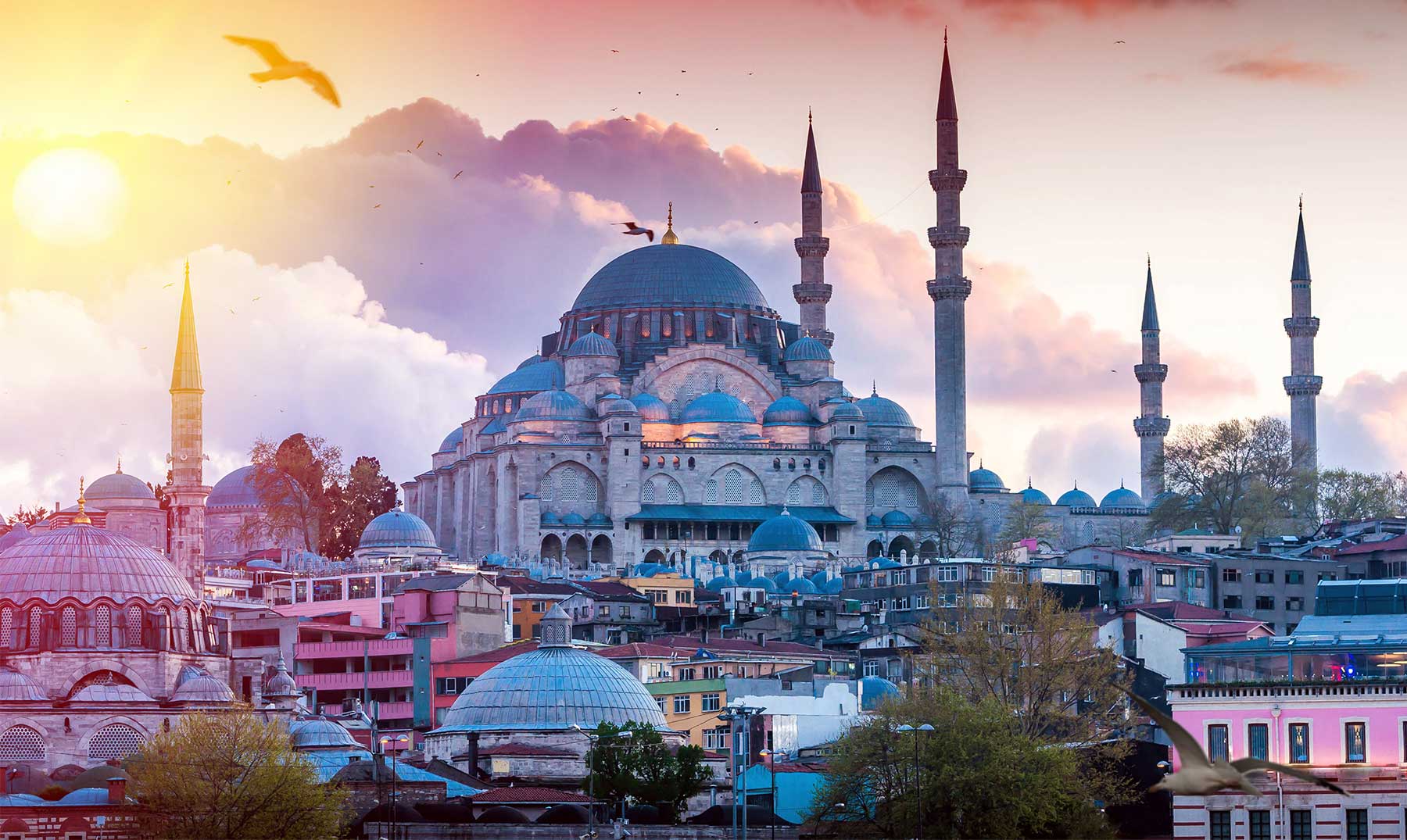
Istanbul is one of those cities that feels familiar from photos, yet completely different once you hear the call to prayer echo between the domes or smell simit baking on a street corner. For a first visit it can seem overwhelming, but with a simple plan you can enjoy the energy without getting lost in the chaos.
How many days do you need in Istanbul?
Start by choosing the right length. For most people, three full days in Istanbul is the minimum sweet spot. It gives you time for the essentials – the Old City, a Bosphorus cruise, a stroll through Beyoğlu – without racing from monument to monument.
If you have four or five days, you can slow down and add neighbourhoods like Kadıköy on the Asian side or more time for museums and long meals.
If your trip to Turkey is short and you only have two days, focus on the Old City, one cruise and one evening in a different area, rather than trying to tick off everything.
Where to stay for a first visit
Istanbul is built on hills, split by water and linked by bridges and ferries. Where you stay makes a big difference to how easy your days feel.
Sultanahmet and the Old City
Best for first-timers who want to walk to the main monuments. You’re close to Hagia Sophia, the Blue Mosque, Topkapı Palace and the Grand Bazaar. Evenings are quieter and more touristic, but you spend less time in traffic.
Karaköy and Galata
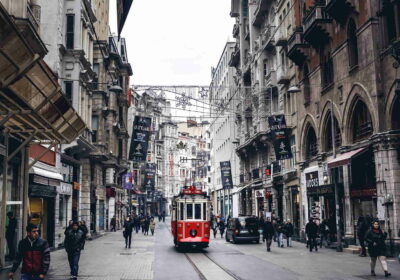
Livelier, with cafés, bars and small galleries. You can walk or take the tram across the bridge to the Old City, and climb up to Galata Tower and Istiklal Street. Good if you like a bit more nightlife.
Taksim and Beyoğlu
Busy, central area with lots of hotel choices and great public transport. You’ll use trams or the metro to reach the main sights. Ideal if Istanbul is just one stop on a longer trip and you enjoy staying where locals go out.
Kadıköy (Asian side)
More local vibe, markets and great food. It’s not the most convenient base for a very short stay, but wonderful if you have extra days and don’t mind using ferries.
Wherever you stay, try to be near a tram or metro stop – it will save you time and taxi costs.
Planning your days by neighbourhood
Instead of jumping around the map, think in neighbourhoods.
Day around the historic core
Dedicate one full day to Sultanahmet and its surroundings. Visit Hagia Sophia, the Blue Mosque, Topkapı Palace and Gülhane Park, with a break for lunch in one of the side streets. If you still have energy, end the day at the Grand Bazaar and Spice Market.
Day around the Bosphorus and Beyoğlu
Plan another day around the water. Take a short Bosphorus cruise from Eminönü, then spend the afternoon in Karaköy and up the hill in Galata and Beyoğlu. Walk part of Istiklal Street, duck into passages and cafés, and finish with a view from Galata Tower or a rooftop terrace.
Extra half-days
If you have more time, add a half-day in Kadıköy or Üsküdar on the Asian side, and another for museums like the Istanbul Archaeology Museums or the Istanbul Modern.
Getting around: transport made simple
Public transport in Istanbul is busy but very usable once you learn the basics.
-
Istanbulkart: Buy a rechargeable transport card at the airport, major metro stations or kiosks. One card can be tapped for several people; just tap once per person.
-
Trams and metro: Fast and reliable for most tourist routes. The T1 tram line connects many key areas: Sultanahmet, Eminönü, Karaköy and Kabataş.
-
Ferries: Scenic and practical. A short ride from Eminönü or Karaköy to Kadıköy or Üsküdar is a mini-cruise in itself.
-
Taxis and ride apps: Use only official yellow or turquoise taxis, and make sure the meter is on. In heavy traffic, public transport is usually faster.
If you’re arriving at Istanbul Airport (IST), the airport shuttle buses and metro lines are cheaper and often quicker than a taxi during rush hour.
Tickets, queues and guided tours
For popular monuments, short planning saves a lot of time.
-
Check opening days – for example, some museums close one day a week.
-
Aim for early morning visits to Hagia Sophia, Topkapı Palace and the Grand Bazaar.
-
Consider skip-the-line or timed tickets when available, especially in high season.
Guided tours can help you use your time better, especially on your first full day. A good local guide will time visits to avoid the worst queues, point out details you’d never notice on your own and help you understand how the city fits together. After that, you’ll feel more confident exploring independently.
Money, safety and local etiquette
-
Cash and cards: Cards are widely accepted, but it’s useful to carry some Turkish lira for small cafés, taxis and public toilets.
-
Safety: Central areas are generally safe, but as in any big city, keep bags closed, phones secure and avoid very quiet back streets late at night.
-
Dress code: Istanbul is cosmopolitan; jeans and casual clothes are fine. For mosques, bring a scarf to cover your hair (women) and avoid shorts above the knee or sleeveless tops.
-
Tipping: Rounding up restaurant bills or leaving 5–10% is common in sit-down places. Small tips are appreciated for hotel staff and drivers.
Simple 3-day outline for a first-time visit
Day 1 – Arrive and get your bearings
Check in, then take an easy walk around your neighbourhood. See Hagia Sophia and the Blue Mosque from outside, feel the atmosphere and get used to the rhythm of the city. An early dinner and a short stroll are enough.
Day 2 – Old City essentials
Start at Hagia Sophia as early as possible, then visit the Blue Mosque once morning prayers are finished. Continue to Topkapı Palace and Gülhane Park. After lunch, browse the Grand Bazaar and Spice Market. End with tea on the Galata Bridge or in a rooftop café.
Day 3 – Bosphorus and modern Istanbul
Take a morning Bosphorus cruise. Spend the afternoon in Karaköy and Galata, walking up towards Istiklal Street. In the evening, choose a restaurant with a view or head to Kadıköy for a more local night out before flying home the next day.
Finally, don’t over-plan your evenings. The most memorable moments often happen when you sit at a small restaurant, watch the city go by and talk through the day with whoever you’re travelling with. Istanbul rewards curiosity and a bit of flexibility – if you leave space in your schedule, the city will fill it for you.
Frequently Asked Questions About First Time in Istanbul: How to Plan a Smooth City Break
What is the best time of year to visit Istanbul for a first-time city break?
The best times to visit Istanbul are spring (April to June) and autumn (September to November) when the weather is mild and sightseeing is more comfortable.
How many days do I need for a first-time trip to Istanbul?
For a first-time visit, 3 to 5 days is usually enough to see the main attractions such as Hagia Sophia, Blue Mosque, Topkapi Palace, the Grand Bazaar, and take a Bosphorus cruise.
Which areas are best to stay in Istanbul for first-time visitors?
Sultanahmet is ideal for those who want to be close to historical landmarks. Beyoğlu and Taksim are better for shopping, dining, and nightlife experiences.
How can I get around Istanbul efficiently?
Istanbul has an extensive public transportation system including trams, metro, ferries, and buses. Taxis and ride-hailing apps like BiTaksi are also convenient for short distances.
Is it safe to visit Istanbul as a first-time traveler?
Yes, Istanbul is generally safe for tourists. Standard precautions such as watching your belongings in crowded areas and avoiding poorly lit streets at night are recommended.
What are must-see attractions for first-time visitors?
Top attractions include Hagia Sophia, Blue Mosque, Topkapi Palace, Basilica Cistern, Grand Bazaar, Spice Bazaar, Galata Tower, and a Bosphorus cruise.
Can I plan a Bosphorus cruise during a short city break?
Yes, a short Bosphorus cruise can usually be completed in 1–2 hours, making it easy to fit into a 3–5 day itinerary.
Are guided tours recommended for first-time visitors?
Guided tours can be very helpful to understand the history and context of Istanbul’s landmarks, save time, and navigate busy areas efficiently.
What should I pack for a city break in Istanbul?
Comfortable walking shoes, weather-appropriate clothing, a light jacket, sunscreen, and a camera are essential. Modest clothing is recommended when visiting mosques.
How can I avoid crowds in Istanbul?
Visit popular attractions early in the morning or later in the afternoon, and consider weekdays over weekends. Booking skip-the-line tickets online can also save time.