
General Information About Turkey: Everything You Need to Know for Your 2026 Trip
General Information About Turkey: Everything You Need to Know for Your 2026 Trip
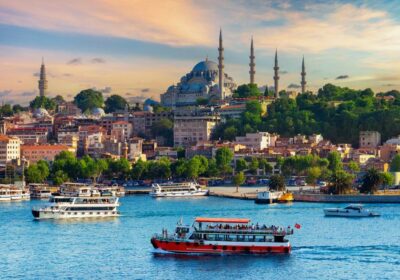
Turkey is a land where continents meet, a bridge between the ancient traditions of the East and the modern pulse of the West. Stretching across two continents—Anatolia in Asia and Thrace in Europe—Turkey is not merely a destination; it is an experience that defies a single definition. From the sun-drenched turquoise coasts of the Mediterranean to the rugged, snow-capped peaks of the Caucasus and the bustling, historic streets of Istanbul, Turkey offers a depth of culture that keeps travelers returning for decades.
As we step into 2026, Turkey continues to evolve as a global tourism powerhouse. Whether you are a history enthusiast, a culinary explorer, or an adventure seeker, understanding the fundamental logistics and cultural nuances of this vast nation is the first step toward an unforgettable journey.
Geography and Climate: A Diverse Landscape
One of the most defining characteristics of Turkey is its geographical diversity. Because it is surrounded by the Black Sea, the Aegean Sea, and the Mediterranean Sea, the climate and terrain vary drastically from one region to another.
The Mediterranean and Aegean Coasts
Known as the “Turquoise Coast,” these regions feature idyllic beaches, ancient ruins like Ephesus, and a warm, Mediterranean climate. Summers are hot and dry, making it the perfect season for yachting and swimming, while winters are mild but rainy.
Central Anatolia and Cappadocia
This region is characterized by a continental climate. It is known for its dramatic rock formations, fairy chimneys, and high plateaus. Winters here can be harsh and snowy, providing a unique landscape for winter photography, while summers are dry and pleasantly warm.
The Black Sea Region
Unlike the rest of the country, the Black Sea coast is lush, green, and receives rainfall year-round. It is mountainous and misty, offering a completely different aesthetic—think tea plantations and alpine meadows rather than Mediterranean palms.
Cultural Etiquette: Respecting Traditions
Turkey is a predominantly Muslim country, and while it is highly secular in its major cities and tourist hubs, culture is deeply rooted in tradition and hospitality.
Mosque Etiquette
Mosques are active places of worship. As a visitor, your behavior should be respectful.
-
Dress Code: Both men and women should have their shoulders and knees covered. Women must cover their hair with a headscarf.
-
Footwear: You must remove your shoes before entering the carpeted prayer area.
-
Timing: Avoid visiting during prayer times, especially during the Friday midday prayer.
Social Norms and Hospitality
Turks are world-renowned for their hospitality (misafirperverlik). If invited to a Turkish home, it is customary to bring a small gift, such as chocolates or flowers. When in public, maintaining a polite and friendly demeanor will open many doors.
Language and Communication
The official language is Turkish. It is a beautiful, phonetic language that belongs to the Turkic language family.
Is English Widely Spoken?
In major cities like Istanbul, Ankara, and Izmir, as well as in the popular coastal resorts, English is widely spoken in hotels, restaurants, and tourist attractions. However, in more rural areas or deep in Anatolia, you might find that fewer people speak English.
Learning Basic Phrases
Carrying a small phrasebook or using a translation app is highly recommended. Learning just a few words like “Merhaba” (Hello), “Teşekkür ederim” (Thank you), and “Lütfen” (Please) goes a long way in showing respect and garnering warm smiles from locals.
Currency and Tipping Culture
The official currency of Turkey is the Turkish Lira (TL).
Money Management in 2026
While Turkey remains a cash-heavy society in smaller markets and bazaars, credit and debit cards are accepted in almost all restaurants, hotels, and shops in urban areas.
-
ATMs: You will find ATMs everywhere. It is often better to use bank-affiliated ATMs rather than standalone exchange kiosks.
-
Tipping: Tipping (bahşiş) is appreciated but not mandatory in the same way it is in the United States. In restaurants, a 10% tip is standard for good service. For small services or porters, rounding up or leaving a few Lira is considered good form.
Safety and Security
Turkey is generally a safe country for tourists. Millions of travelers visit every year without incident. However, like any major travel destination, it is wise to follow standard safety precautions.
Urban Awareness
In crowded tourist areas like Istanbul’s Sultanahmet or the Grand Bazaar, be mindful of pickpockets. Keep your bags closed and in front of you.
Traveling Between Regions
Turkey has an excellent network of internal flights, high-speed trains, and comfortable long-distance buses. Always book travel with reputable companies. If you are renting a car, be aware that driving in Istanbul can be chaotic; consider using public transport or private transfers instead.
Culinary Heritage: The Heart of the Experience
Turkish cuisine is far more than just Döner kebab. It is a regional reflection of history, incorporating Central Asian, Middle Eastern, and Balkan influences.
The Art of the Turkish Breakfast (Kahvaltı)
You haven’t truly experienced Turkey until you’ve sat through a multi-hour Sunday breakfast. It consists of fresh cheeses, olives, honey and cream (bal-kaymak), tomatoes, cucumbers, spicy sausage (sucuk), and unlimited glasses of Turkish tea.
Regional Specialties
-
Aegean: Focuses heavily on olive oil-based vegetable dishes (zeytinyağlılar) and fresh seafood.
-
Southeastern Anatolia (Gaziantep): Known for its rich kebabs, baklava, and mastery of spices.
Practical Tips for Your 2026 Visit
-
Connectivity: Purchase a local SIM card or an e-SIM upon arrival to ensure you have reliable data for maps and translation apps.
-
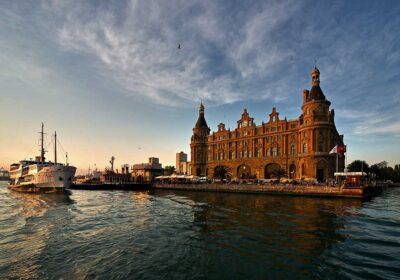
Istanbulkart: If you are visiting Istanbul, the Istanbulkart is essential. It is a rechargeable card that works on all public transportation, including ferries, which are the most pleasant way to travel between continents.
-
Health Services: Turkey has a high standard of private healthcare. Ensure you have travel insurance that covers international medical expenses.
Final Thoughts: The Turkish Experience
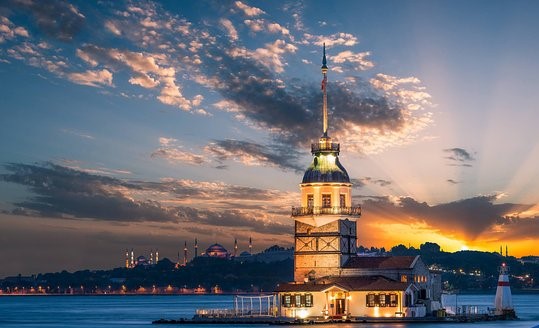
Turkey is a paradox—it is ancient yet modern, chaotic yet peaceful, and vast yet intimately welcoming. Whether you are walking the Roman roads of Ephesus, haggling for carpets in the Grand Bazaar, or sipping tea while watching the sunset over the Bosphorus, Turkey promises to leave an indelible mark on your soul.
By respecting the culture, managing your logistics with the provided tips, and keeping an open mind, your 2026 trip will not just be a vacation—it will be a discovery of one of the most fascinating civilizations in history.
Frequently Asked Questions: Essential Information About Turkey for 2026
Is it safe to travel to Turkey in 2026?
Yes, Turkey remains a popular and generally safe destination for international travelers. Major tourist hubs like Istanbul, Cappadocia, and the Mediterranean coast operate normally and are well-policed. However, travelers should exercise standard caution, stay updated on local news, and avoid regions near the Syrian border.
What is the best way to handle money in Turkey?
While credit and debit cards are widely accepted in cities and hotels, it is highly recommended to carry some Turkish Lira (TRY) in cash for bazaars, small shops, and local transportation. Always use bank-affiliated ATMs rather than standalone exchange kiosks to get better rates.
Do I need to speak Turkish to get around?
Not necessarily. In Istanbul and major tourist destinations, English is widely spoken in hotels, restaurants, and attractions. However, learning a few basic Turkish phrases like “Merhaba” (Hello) and “Teşekkür ederim” (Thank you) is greatly appreciated by locals and can enhance your experience.
What should I wear while visiting Turkey?
Turkey is modern but culturally conservative in many areas. In cities and coastal resorts, dress is casual and relaxed. However, when visiting mosques, women must cover their hair, shoulders, and knees, and men should wear long trousers. A light scarf is a practical item to keep handy.
How can I travel efficiently between Turkish cities?
Turkey has an excellent transportation network. Domestic flights are efficient for long distances, and high-speed trains connect major cities like Istanbul and Ankara. Within Istanbul, the “Istanbulkart” is essential for using the metro, trams, and the iconic Bosphorus ferries.