

A Local Guide to Turkish Hammams: Etiquette, Options and What to Expect
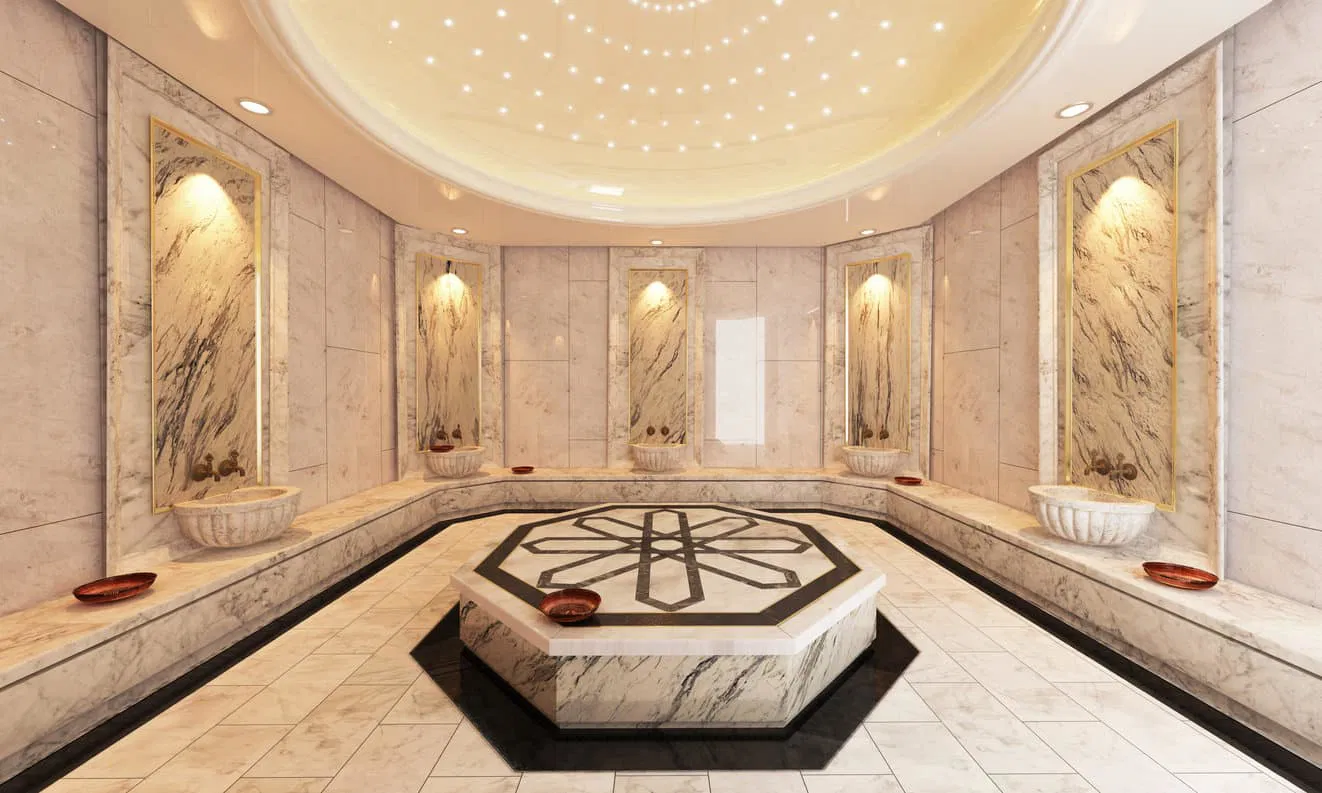
For many travellers, that first visit to a Turkish hammam becomes the story they tell friends for years. The marble, the steam, the bucket of warm water over your shoulders – it’s unlike a spa back home, and that’s what makes it special. With a little preparation you can walk in confident, knowing exactly what to expect and how to relax into the experience.
What exactly is a Turkish hammam?
A Turkish hammam is the modern version of the historic bathhouses that were once part of everyday life across the Ottoman Empire. People came not only to wash, but to socialise, rest and escape the heat. Today they still play that role: locals and visitors mix in the steam, chatting quietly while the day’s noise fades outside.
You’ll find hammams in most major Turkish cities and in many coastal resorts. In Istanbul, some are centuries-old buildings with domed ceilings and shafts of light; others are modern, hotel-style spas using the same rituals with a smoother finish.
Choosing the right hammam for you
Before you book, think about the kind of experience you want.
Neighbourhood hammams
These are more basic, often used by locals. Facilities may be simpler, English might be limited and payment is usually in cash, but the atmosphere can feel very authentic. They’re a good choice if you’re comfortable following what others do.
Historic, restored hammams
In Istanbul and other tourist centres, beautifully restored historic hammams offer a more polished experience. Staff are used to international guests, there’s usually clear pricing and you can often book online or through your hotel. Expect higher prices but more comfort.
Hotel spa hammams
Many city and resort hotels have their own hammam room inside the spa. The ritual is similar – steam, scrub, foam – but the setting feels closer to a modern spa, often with mixed-gender options for couples.
If you’re nervous about your first visit, a restored or hotel hammam is usually the easiest starting point. Once you know the routine, you can try a simpler neighbourhood bath on a future trip.
Step by step: what happens during a hammam visit
Every bathhouse has its own layout, but the basic structure is similar.
1. Arrival and check-in
When you arrive, you’ll be welcomed at a small reception area. You choose your treatment – for example:
-
Use of the hammam only (self-service wash and steam)
-
Hammam with traditional scrub
-
Hammam with scrub and foam massage
-
Packages that add an oil massage or face treatment afterwards
You’ll be given a key for a locker or small changing cabin, a pestemal (cotton wrap) and usually a pair of non-slip slippers. Staff explain which section to use – most traditional hammams have separate areas or different times for men and women.
2. Changing and entering the warm room
In the changing area you undress, wrap yourself in the pestemal and keep on whatever underwear or swimwear you feel comfortable with. In many classic hammams, guests wear underwear; in hotel spas, swimwear is more common. Jewellery and phones stay in the locker.
You then step into the warm room, usually a circular or octagonal hall with marble benches and a raised central platform under a domed ceiling. The air is humid and comfortably hot rather than burning. It’s normal to spend ten or fifteen minutes just sitting or lying on the warm marble, letting your muscles soften and your body adjust.
3. The traditional scrub
If you’ve booked the traditional scrub, an attendant (called a tellak for men or natır for women) will call you over when it’s your turn.
-
First they rinse you with bowls of warm water.
-
Then they use a coarse kese mitt to scrub your arms, legs, back and shoulders. You’ll see rolls of dead skin coming away – slightly shocking the first time, very satisfying afterwards.
-
The pressure can be quite strong but should never be painful. If anything feels too intense, simply say so or gesture with your hand; they’ll understand and lighten up.
This part usually lasts 10–15 minutes. Afterwards you’re rinsed thoroughly and may be sent back to rest on the warm stone for a few minutes.
4. Foam and massage
Next comes the part many people remember most: the foam. The attendant dips a cloth bag into soapy water and then squeezes it so clouds of warm bubbles fall over your body. You’re gently massaged and stretched, often with long sweeping movements along your back and legs.
It’s closer to a firm wash than a deep-tissue massage, designed to improve circulation and leave you feeling light and relaxed. Again, if you prefer less pressure, you can ask them to go more gently.
5. Final rinse and cool-down
When the scrub and foam are finished, you’re rinsed once more with bowls of warm and then cooler water. Some hammams also have a separate cooler room where you can sit, sip water or tea and let your body temperature come back down.
You return to the changing area wrapped in dry towels. Many people like to sit for a few minutes afterwards, drink water and enjoy the heavy, relaxed feeling in their muscles. If your package includes an oil massage, it usually happens in a separate room after the hammam part is complete.
What to wear and basic etiquette
Etiquette is straightforward once you know the basics.
-
Modesty first: Bring modest swimwear if you prefer, but know that many historic hammams operate with separate sections for men and women where underwear is common. Full nudity is usually not required and is often discouraged in mixed or tourist-focused hammams.
-
Quiet atmosphere: Speak softly, keep your phone in the locker and avoid taking photos inside the bathing areas, even if you see others doing it.
-
Listen to your body: If the scrub or heat feels too strong, tell the attendant straight away. They are used to adjusting for different ages and comfort levels.
-
Hydration: Drink water before and after; the heat can be dehydrating, especially if you’re not used to saunas or steam rooms.
-
Tipping: At the end, it’s normal to give a small tip directly to the attendant who scrubbed and washed you. Folding notes into their hand with a quiet “Teşekkürler” (thank you) is appreciated.
Health and safety considerations
Most people find a hammam deeply relaxing, but it may not be suitable if you:
-
Have uncontrolled high blood pressure or heart problems
-
Are in the first trimester of pregnancy, or have been advised to avoid saunas and hot tubs
-
Have open cuts, infections or serious skin conditions
If you’re unsure, it’s always worth asking your doctor before you travel. Once you’re in the hammam, stop immediately if you feel dizzy or unwell; attendants will help you to a cooler area and bring water.
How often should you go – and when?
Locals might visit a hammam weekly or monthly, but as a visitor even one visit during your trip is enough to feel the difference. The effects of the scrub and heat can leave you pleasantly tired, so many people like to book their hammam:
-
At the end of a long flight day, to shake off travel fatigue
-
Mid-trip, after lots of walking and sightseeing
-
Towards the end of a holiday, as a final treat before flying home
Try not to plan a packed itinerary straight afterwards. A quiet dinner and an early night work better than racing to another activity.
FAQs about visiting a Turkish hammam
Do I have to be completely naked in a hammam?
No. In most hammams you keep on underwear or a swimsuit and wrap yourself in the pestemal provided. Men and women usually bathe in separate sections, and full nudity is neither required nor expected in typical tourist-focused hammams.
How long does a hammam visit take?
Allow at least 60–90 minutes from arrival to leaving, longer if you add an oil massage or like to rest in the warm room. The scrub and foam part itself usually takes around 30 minutes.
Is a hammam suitable if I have sensitive skin?
The kese scrub is quite vigorous, so if you have very sensitive skin or conditions like eczema, mention it at reception and to your attendant. They can soften the pressure or focus more on the foam and massage rather than heavy peeling.
Can couples go to the hammam together?
Traditional neighbourhood hammams usually separate men and women, either by having different sections or different time slots. Many hotel spas, and a few historic hammams, offer mixed-gender or couples’ sessions where you can share the experience in the same room. Check the policy when you book.
How much should I tip my attendant?
Tipping customs vary by region and type of hammam. As a general guide, 10–20% of the service price given directly to your attendant is considered generous but not excessive. In simpler local baths, a smaller tip is also appreciated.
For many visitors, a Turkish hammam becomes the moment when the trip finally slows down: steam rising to the dome, water splashing on warm marble, and the feeling that, for an hour or two, all you need to do is breathe and let someone else take care of everything.
